Africa-led · Methane · Community of Practice

Where Africa's methane work comes together.

AMCoP is an Africa-led network connecting practitioners, governments, civil society, the private sector and local communities to accelerate methane action across agriculture, energy and waste.

A network diagram showing AMCoP's methane value chain from source sectors through data and MRV, policy, finance, action and advocacy on the ground across Africa.

The methane story

A small share of the problem. A large share of the harm.

Africa contributes under 5% of global greenhouse-gas emissions, yet bears a disproportionate burden of climate impacts. Methane is where fast, high-leverage action is possible, across the sectors that matter most here.

0×

more potent than CO₂ over a 100-year period

0 yrs

short atmospheric lifespan: cut it now, feel it soon

0

sectors hold most of the abatement potential: agriculture, energy & waste

$1.2B

estimated economic opportunity in Africa's methane economy

15+

African countries actively engaged in the network

Cutting methane delivers co-benefits across health, ecosystems and food security, but data and information gaps across Africa remain wide. Closing them is core to AMCoP. // Sources: WMO 2022; AMCEN.

How it connects

One chain, from source to action.

Everyone in AMCoP sits somewhere on the methane chain. The network is built to connect those links, so evidence moves to policy, policy moves to finance, and finance moves to action on the ground.

SOURCES

Energy · Agriculture · Waste

Where methane comes from

01

Data & MRV

Measure, monitor, map

02

Policy

Integrate into frameworks

03

Finance

Mobilise investment

04

Action

Abate & pilot at scale

05

Advocacy

Raise the agenda

Evidence flows from source sectors through measurement, policy and finance, to action and advocacy on the ground.

Where the work happens

Three sectors. Three communities.

Methane management in Africa concentrates in three source sectors. Each anchors a working group inside AMCoP.

Working group · Agriculture

Agriculture

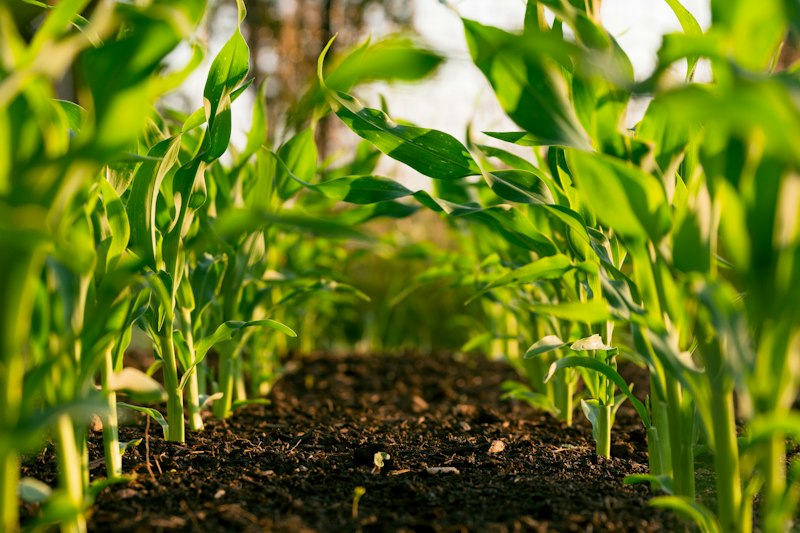
Livestock and rice systems: the largest methane source across much of the continent, and rich in low-cost, high-co-benefit interventions.

Livestock, manure and riceLargest source sector
Working group · Energy

Energy

Oil & gas operations and associated venting and leaks, where measurement, MRV and targeted fixes move the needle fastest.

Fastest abatement potentialHigh ROI interventions
Working group · Waste

Waste

Landfills and wastewater, where decentralised solutions and innovations like black-soldier-fly processing turn emissions into opportunity.

Low-cost abatement optionsCircular economy
What we do

Turning methane action into shared practice.

AMCoP works through three pillars: the governance of methane, the science of methane, and finance and investment for methane. It focuses on four things.

PILLAR // 01

Strengthen MRV & Data

Close Africa's methane data gaps: measurement, monitoring, country-level maps and a shared knowledge base.

PILLAR // 02

Mobilise Finance

Carbon and recovered-methane markets, cost-benefit evidence, and investable business models, with a focus on MSMEs.

PILLAR // 03

Build Policy & Capacity

Integrate methane into national frameworks and strengthen the science-policy-practitioner link through dialogue and training.

PILLAR // 04

Catalyse Change

Business cases, local-government pilots, decentralisation and innovative practices, moving from plans to action on the ground.

What we're building toward

Targets that hold us to account.

0%

cut in global methane by 2030 (Global Methane Pledge)

0+

active member organisations & focal points

0+

policy frameworks integrating methane

0+

convenings & dialogues every year

Our Roadmap

Completed
2024
AMCoP Launched
Launched with six partner institutions
Completed
2025
600+ experts mapped
Network mapped across all five African regions
In progress
2026
247 members on record
In 34 countries, 25 of them in Africa
Target
2030
Global Methane Pledge
A 30% cut in global methane emissions from 2020 levels
Our Network

Across Africa, for Africa.

AMCoP brings together institutions and practitioners from across the continent. Our network spans East, West, Central, North and Southern Africa, with members in 34 countries.

Loading map…

Click any country to see its full member list

Kenya
ECI · SBS · UNEP
3
South Africa
UP
1
Côte d'Ivoire
UFHB
1
Total Network
247members across
34 countries, 25 in Africa
Core partner institutions

An African network, with global reach.

AMCoP is anchored by research institutions, universities, government agencies and global partners across the continent.

Our leadership

The team behind AMCoP's continental impact

AMCoP is coordinated by practitioners and researchers who connect methane science, policy and finance across Africa,turning evidence into action on the ground.

Antony Mbandi

Antony Mbandi

Finance & Investment Lead, Strathmore Business School

Antony Mbandi is a higher education leader, partnership strategist, and philanthropy practitioner with extensive experience in research, project management, institutional advancement, and stakeholder engagement. He serves in a leadership role at Strathmore Business School, where he champions AMCoP's finance and investment component, leads the Strathmore University Uhisani Research Initiative (SUURI) Hub, and initiatives that strengthen the institution's impact across Africa.

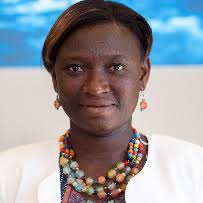
Dr. N'Datchoh Evelyne Touré

Dr. N'Datchoh Evelyne Touré

Atmospheric Scientist, Université Félix Houphouët-Boigny

Dr. N'Datchoh E. Touré is an atmospheric scientist from Côte d'Ivoire and a researcher at Université Félix Houphouët-Boigny in Abidjan. Her research focuses on atmospheric aerosols, biomass-burning emissions, dust transport, and their impacts on air quality and climate in West Africa.

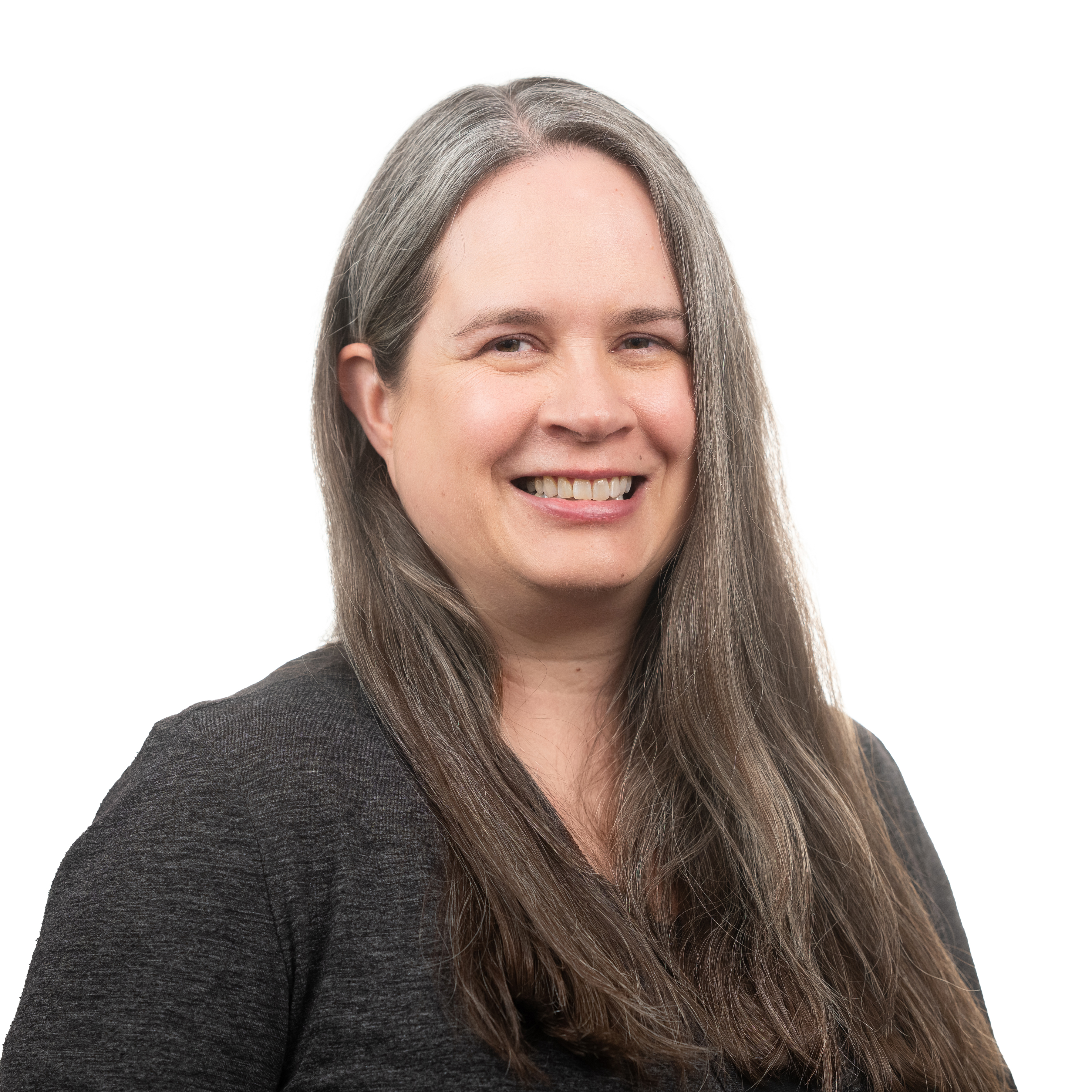
Prof. Rebecca Garland

Prof. Rebecca Garland

Professor, Geography, Geoinformatics & Meteorology, University of Pretoria

Prof Rebecca Garland is a Professor in the Department of Geography, Geoinformatics and Meteorology at the University of Pretoria in South Africa. She has over 20 years of experience in atmospheric science research, focusing on air quality, its linkages to climate change, and their impacts across southern Africa.

Gerphas Keyah Opondo

Gerphas Keyah Opondo

Founder & Executive Director, Environmental Compliance Institute (ECI)

Gerphas (Gerry) Opondo is the Founder and Executive Director of the Environmental Compliance Institute (ECI), a Nairobi-based non-profit advancing environmental and climate governance across Africa. A lawyer with over two decades of experience, including senior roles at Kenya's National Environment Management Authority, he leads Global Methane Hub and CCAC-funded methane projects across Kenya, Uganda, Cameroon, and Ghana.

Dr. Joseph Victor Otieno Ikawa

Dr. Joseph Victor Otieno Ikawa

Coordinator, AMCoP, ECI; Director & Research Lead, Snapp Africa

Dr. Joseph Victor Otieno Ikawa is Coordinator of the Africa Methane Community of Practice (AMCoP) at ECI and Director & Research Lead at Snapp Africa. A multi-disciplinary environmental planner and M&E specialist with over 20 years' experience across Africa's climate and research ecosystems, he holds a PhD in Environmental Planning & Management from Kenyatta University.

Lawrence Nzuve

Lawrence Nzuve

Communications Director, Environmental Compliance Institute (ECI)

Lawrence Nzuve is Communications Director at the Environmental Compliance Institute (ECI), with over 15 years of strategic communications experience across Africa, including roles at SEI Africa, UNEP, and UNDP. He specialises in translating technical climate and air-quality research into policy-influencing narratives.

Dr. Anderson Kehbila

Dr. Anderson Kehbila

Senior Research Fellow & Programme Leader, Natural Resources and Ecosystems, SEI Africa

Dr. Anderson Kehbila is Senior Research Fellow and Programme Leader for Natural Resources and Ecosystems at SEI Africa, with 16 years of experience in climate and energy policy research and sectoral decarbonization. He has authored 50 peer-reviewed publications and contributed to the CCAC/UNEP integrated assessment of air pollution and climate change for Africa.

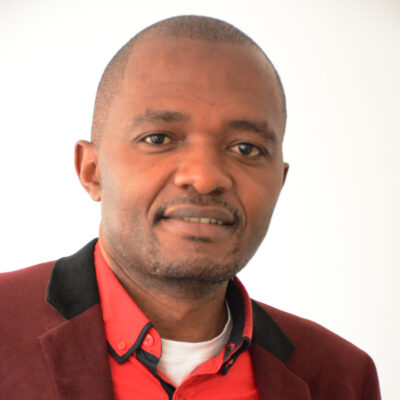
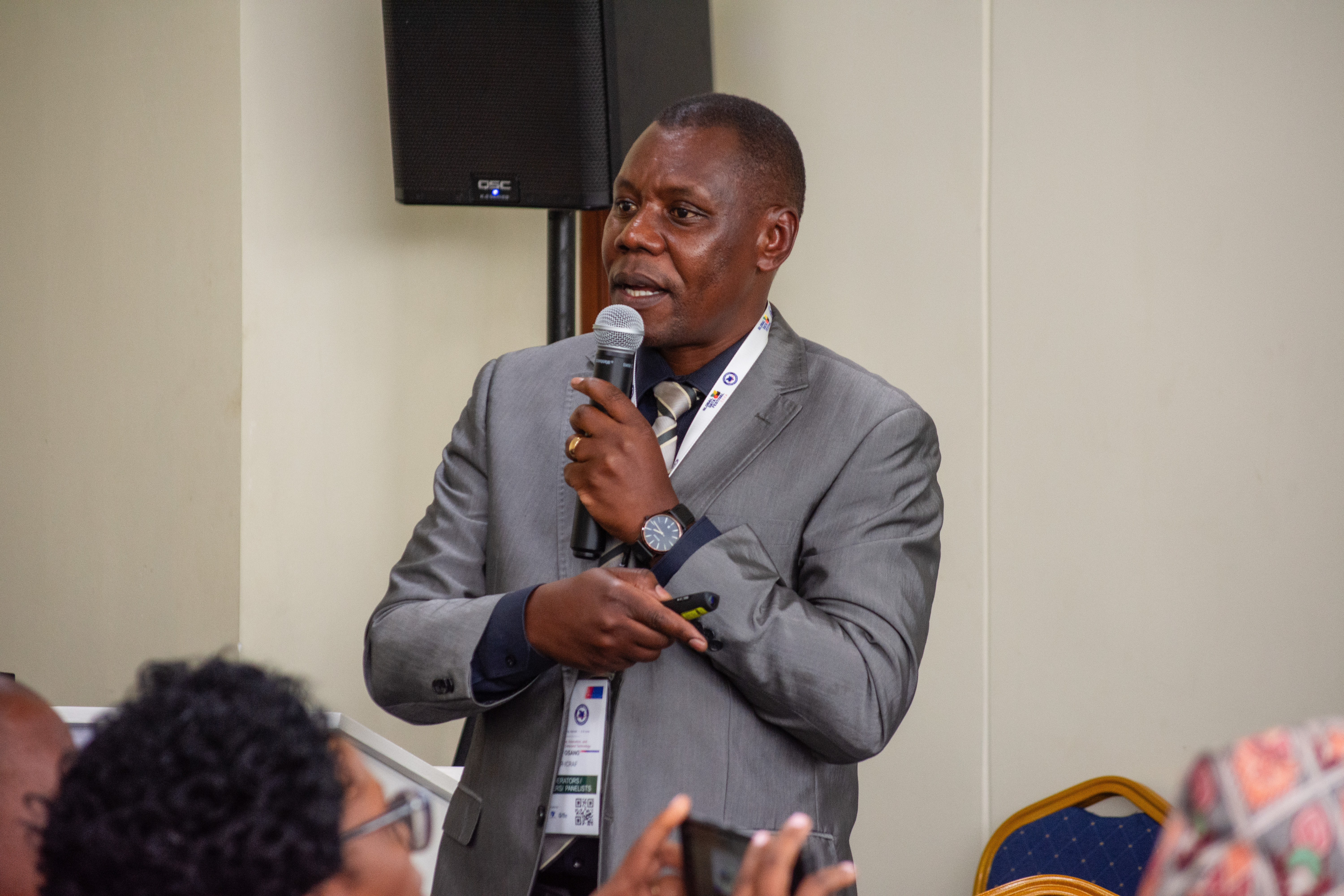
Dr. Philip Osano

Dr. Philip Osano

Chief Operating Officer (COO), CIFOR-ICRAF

Dr. Philip Osano is Chief Operating Officer at CIFOR-ICRAF and previously Africa Centre Director at the Stockholm Environment Institute (SEI). With over 20 years of experience in applied research and policy, he is a lead author of the IPBES Global Assessment and an Independent Board Member of the Kenya Space Agency.
News & Events

Convenings, media and field dispatches.

From high-level summits to working-group webinars, follow AMCoP as it shows up across the continent. Media coverage also lives here. LinkedIn ↗

LatestData & MRVJun 2026

Earth Observation for Climate & Air Quality

Convened a session with the Kenya Space Agency and EASTECO on satellite-based methane monitoring across Africa.

Kenya Space Expo / Global Data Festival · Nairobi

Also coming up

Waste
Methane Mitigation from Waste Systems

3–5 Jun 2026 · AWWS III

Archive

Policy14–18 May 2026
Parliament–Media Dialogue on Methane

Supporting Kenya's push for methane-specific laws ahead of the IPU Regional Seminar on Methane.

IPU Seminar · NairobiView recap
Webinar11 May 2026
COMPASS Data System: Stakeholder Webinar

A live demo of an open-source air-quality data management system, moving from MVP to prototype.

Online · EATView recap
Join AMCoP

Wherever you sit on the chain, there's a place for you here.

Energy, agriculture, waste. Data, policy, advocacy and finance. Government, researchers, the private sector, civil society, and citizens who simply want to act.

GovernmentResearchPrivate sectorNGO / CSOMediaCitizens

By joining, you agree to receive our newsletter. You can unsubscribe at any time.

FAQ

Common questions about methane action.

Common questions about AMCoP's work, focus areas and how to engage with us.

Methane (CH₄) is a potent greenhouse gas, 27 to 30 times more powerful than CO₂ over 100 years, and about 80 times over 20 years. It has a short atmospheric lifespan of around 12 years, meaning cuts today deliver climate benefits within a decade. For Africa, methane abatement offers co-benefits across health, food security, and energy access.
Agriculture (especially livestock and rice systems), energy (oil and gas venting and leaks), and waste (landfills and wastewater) are the three primary sources. Each sector has different abatement potential and cost profiles.
MRV stands for Measurement, Reporting, and Verification. It is the backbone of credible methane action: without accurate data, countries cannot track emissions, evaluate policies, or access climate finance. AMCoP works to close Africa's methane data gaps across all three sectors.
AMCoP is open to government agencies, research institutions, private sector actors, civil society organisations, and individual practitioners. Fill out the join form above and we'll connect you with the relevant working group.
AMCoP operates three thematic working groups covering agriculture, energy, and waste. Each group shares evidence and data, develops joint publications, and coordinates on policy engagement. Members can participate in one or all three groups depending on their expertise and mandate.
The AMCoP Learning Series brings members together for webinars, roundtables and dialogues. Sessions held so far include a finance roundtable (6 October 2025), a waste webinar (27 November 2025) and a science webinar (17 February 2026), followed by the 2026 dialogues and events. Recordings are being added to the Knowledge Hub.
Yes. Methane abatement projects in agriculture, energy, and waste can qualify for voluntary carbon markets, Article 6 mechanisms, and dedicated methane finance windows from multilateral funds. The key prerequisite is robust MRV documentation. AMCoP's finance working group provides guidance on which instruments fit which project types.
AMCoP is Africa-led and prioritises African institutions, governments, and practitioners. However, international research institutions, development finance organisations, and technical partners are welcome to engage as supporting members if they contribute directly to Africa's methane agenda.